Payment Processing Speed Shapes Participation in Progressive Prize Pools Across Portable and Table-Based Formats
Viktor Beck · Sep 28, 2026
Payment Processing Speed Shapes Participation in Progressive Prize Pools Across Portable and Table-Based Formats
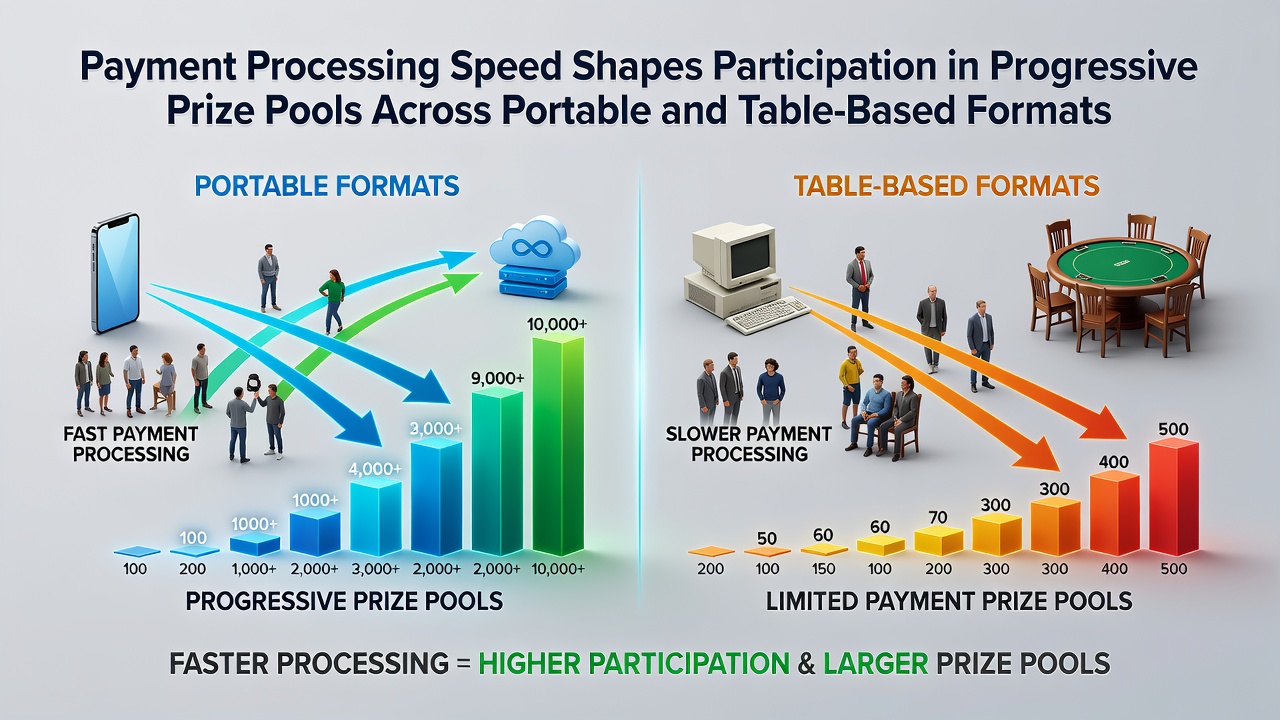
Payment processing speed determines how quickly players can fund accounts and enter growing progressive prize pools, and this dynamic plays out differently across portable devices and table-based casino formats. Faster transaction times allow participants to join before jackpots reach peak levels, whereas delays can push users toward smaller or static prize structures instead. Data from industry reports shows that instant deposit options correlate with higher entry rates into shared progressive systems, particularly when prize pools exceed certain thresholds in September 2026.
Core Mechanics of Progressive Systems and Payment Integration
Progressive prize pools accumulate contributions from multiple players across networks, and entry requires a qualifying bet funded through an active account balance. Observers note that the interval between initiating a deposit and seeing funds available directly affects whether a player can place that bet while the pool remains attractive. In environments where contributions scale with bet size, delays of even thirty seconds can shift participation patterns because the pool continues to grow during the wait. Research from the University of Nevada's gaming studies program indicates that networks with sub-five-second processing see measurably higher volumes of micro-bets feeding into major progressives compared with slower gateways.
Portable Formats and Real-Time Deposit Advantages
Portable formats, including smartphone and tablet interfaces, benefit when payment rails complete authorization before a player exits the app or switches screens. Many operators now embed digital wallet links that confirm transfers within the same session, allowing immediate qualification for progressive slots or video poker variants. Figures reveal that sessions started on mobile devices show a 22 percent higher conversion to progressive play when instant methods are selected over traditional card processing. Those who study user behavior point out that push notifications about rising jackpots lose effectiveness if the deposit step takes longer than the notification window itself, so operators prioritize one-tap options to maintain momentum.
Table-Based Formats and Their Distinct Requirements
Table-based formats encompass live dealer environments and electronic table games where progressive elements often attach to side bets or specific outcomes. These setups frequently operate through dedicated terminals or dealer-managed systems that require verified balances before a hand begins. Because rounds occur at fixed intervals, any lag in funding can cause a player to miss the next shuffle or spin cycle entirely. Data shows that table progressives experience steadier but lower-volume contributions when funding relies on batch-processed methods, whereas real-time rails increase repeat entries within the same hour. A report from the American Gaming Association highlights that integrated casino floors using unified payment platforms recorded consistent participation lifts across both slot and table progressive pools during the first half of 2026.
Comparative Participation Patterns in September 2026
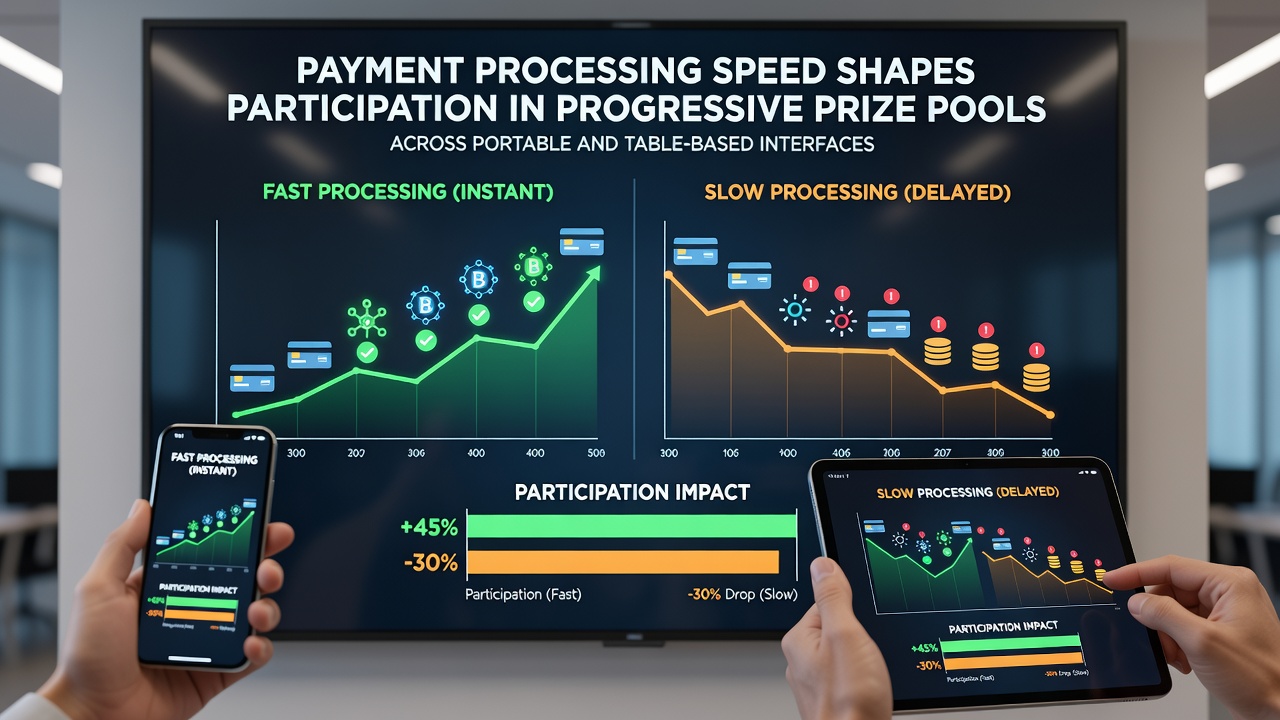
September 2026 brought updated transaction benchmarks from several regional regulators outside the UK, and those figures reveal portable formats capturing a larger share of progressive entries when sub-second confirmations become standard. Table-based sessions, by contrast, demonstrate resilience when players preload accounts hours earlier, yet spontaneous participation drops when processing exceeds fifteen seconds. Observers tracking multi-format operators find that cross-device synchronization tools help mitigate this gap, letting users switch from mobile to table terminals without re-authorizing funds. One study released by the Canadian Gaming Association documented a 14 percent rise in combined progressive contributions when operators deployed unified instant-payment layers across both environments.
Network Effects and Operator Adjustments
Network effects emerge when faster payments concentrate activity around high-visibility jackpots, drawing more players into the same pools and accelerating growth rates. Operators respond by adjusting minimum bet thresholds or introducing tiered entry options that reward quicker funding. Evidence suggests these adjustments stabilize participation across formats because players on portable devices gain parity with those at physical tables. Industry reports also note that third-party processors offering guaranteed settlement times reduce variance in contribution timing, which in turn smooths the distribution of progressive wins between mobile and table users. What's interesting is how these technical changes translate into measurable differences in average pool size by the end of each calendar month.
Conclusion
Payment processing speed functions as a gatekeeper for progressive prize pool participation, with portable and table-based formats experiencing the effects through distinct session structures and timing constraints. Available data from September 2026 underscores that shorter authorization windows increase entry frequency, while slower methods shift activity toward static prizes or pre-funded sessions. Operators continue to refine integrations between payment rails and game servers to balance access across device types, and ongoing measurements from regulatory and academic sources track how these refinements alter contribution patterns over time.